
Is Aluminum Cheaper Than Copper in Transformers
04.30.2026In transformer procurement and selection, the most frequently asked question is "Which is cheaper, aluminum or copper?", especially for budget-sensitive projects, as material selection directly impacts initial investment and long-term operation and maintenance costs. The answer is actually quite clear: in transformer manufacturing, the overall cost of aluminum is far lower than that of copper, but "cheaper" does not equal "more cost-effective." So how should one choose? Let's take a look.
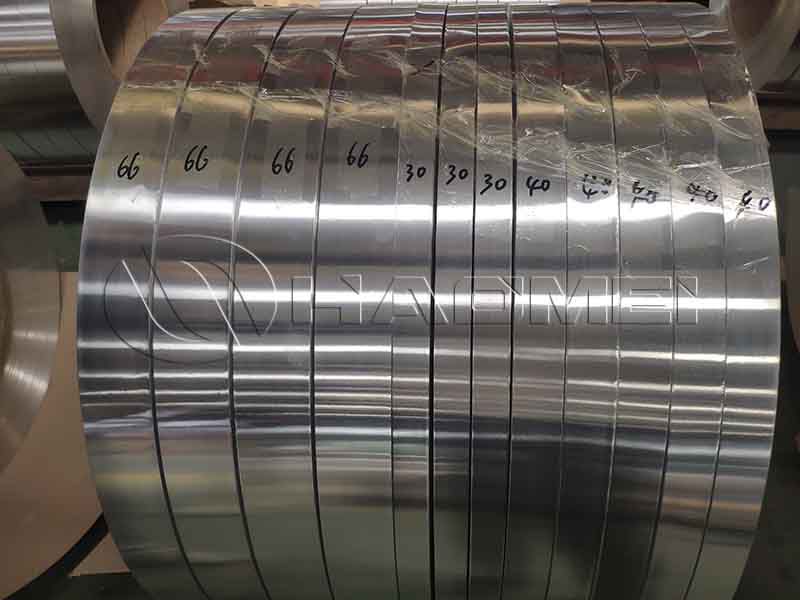
Aluminum is indeed cheaper than copper
From raw materials to finished products, aluminum's cost advantage in transformers is consistent throughout. First, let's look at the prices of basic raw materials. Referring to the latest quotes from the London Metal Exchange (LME), LME copper futures were approximately $13,245/ton, while LME aluminum futures were approximately $3,548/ton.
The price of aluminum is only about one-third of the price of copper. This significant price difference directly determines the difference in procurement costs between the two materials used in transformers.
Taking a 10kV/2500kVA oil-immersed transformer as an example, the purchase price of an all-aluminum model is approximately US$25,000-33,000, while an all-copper model costs US$39,000-53,000. The procurement cost of aluminum is 30%-50% lower than that of copper.
Besides raw materials, aluminum also has advantages in processing and transportation costs. Aluminum's density is only about 30% of copper's. For the same capacity, an all-aluminum transformer is lighter, reducing processing energy consumption and transportation and hoisting costs, making it particularly suitable for mountainous areas and high-altitude installations where transportation is difficult.
Furthermore, aluminum resources are far more abundant than copper, resulting in a more stable supply chain and significantly lower price fluctuations, making cost budgeting for aluminum transformers easier to control.
Performance Comparison
Behind the cost advantage, the performance differences between aluminum and copper are also significant. The core differences lie in conductivity, heat dissipation, mechanical strength, and service life, which are also key factors affecting long-term operating costs.
In terms of conductivity, copper has a resistivity of approximately 1.72 × 10⁻⁸ Ω·m, while aluminum has a resistivity of approximately 2.82 × 10⁻⁸ Ω·m, 1.6 times that of copper.
This means that to achieve the same current-carrying capacity as copper, the cross-sectional area of the aluminum conductor needs to be increased by about 1.6 times. This results in aluminum-wound transformers having larger coil volumes and core sizes, making them taller and slimmer overall, while copper-wound transformers are more compact.
Copper's advantages are even more pronounced in terms of losses and stability. Copper has better heat dissipation; under the same load, copper windings generate less heat, and both no-load and load losses are lower than aluminum windings, resulting in greater long-term electricity savings. For example, in a 10kV/1000kVA model, a 1% increase in copper winding efficiency can save approximately 5000 kWh of electricity annually.
Meanwhile, copper has higher mechanical strength, stronger creep resistance, and superior oxidation resistance compared to aluminum. Aluminum windings are prone to oxidation, forming an aluminum oxide film, which causes overheating at connection points, leading to a higher failure rate under prolonged high-temperature operation. Aluminum also has weaker short-circuit withstand capability than copper.
In terms of service life, copper-wound transformers can last 25-30 years, while all-aluminum-wound transformers only last 10-15 years, and with poor manufacturing processes, even less than 10 years. Furthermore, copper has a much higher recycling value than aluminum. A used copper-core transformer can be recycled for approximately $1400-$2100, while an aluminum-core transformer only fetches $830-$1110. From a full lifecycle perspective, copper's residual value advantage is significant.
It's important to note that compliantly manufactured aluminum transformers (such as the S20 model) can achieve the same national standard losses as copper transformers by increasing wire diameter and optimizing structure. This does not mean that "aluminum transformers necessarily consume more electricity," but rather that aluminum benefits from "design compensation," while copper benefits from a "natural advantage."
Cost-Effectiveness Game
The core of cost-effectiveness lies in the balance between input and return. The choice between aluminum and copper essentially boils down to a trade-off between short-term costs and long-term benefits, with completely different cost-effectiveness conclusions depending on the scenario.
For short-term use and extremely tight budgets, the aluminum transformer strip offers better cost-effectiveness. Examples include temporary power supply for construction sites, small base stations in remote areas, and low-end transformer substations in rural power grids. These scenarios have stable and relatively light loads, with no significant economic losses from power outages. Choosing aluminum transformers can significantly reduce upfront investment, and even with a shorter lifespan, it can meet short-term usage needs.
Based on a 15-year lifespan, the total life-cycle cost (purchase + maintenance + electricity) of an all-aluminum transformer is approximately $76,000-$104,000, seemingly lower than copper transformers. However, this is based on short-term use and low loads.
For long-term operation scenarios with high requirements for reliability and energy efficiency, copper offers superior cost-effectiveness. Examples include hospitals, data centers, large industrial parks, and residential communities. These scenarios require 24-hour continuous operation and have extremely high requirements for power supply stability. The advantages of copper transformers—low loss, low failure rate, and long lifespan—are fully demonstrated.
Although copper transformers have a higher initial purchase cost, their long-term operation and maintenance costs are lower—dry-type all-copper transformers are essentially maintenance-free, with annual maintenance costs of only $110-210, while aluminum transformers require annual maintenance costs of $550-970 and are subject to frequent repairs. It is estimated that if a company operates for more than 6,000 hours annually, the electricity and maintenance cost savings from copper transformers over 3-5 years can cover the initial purchase price difference.
Market Landscape
In the current transformer market, aluminum and copper strips are not competitors, but rather complement each other based on application scenarios, each occupying a different market share.
Aluminum transformers mainly occupy the low-to-mid-end market, especially in the 35kV and below distribution network sector, where their penetration rate is expected to reach 65%. They are mainly used in rural power grid upgrades, temporary distribution projects, and small factories with limited budgets, with the core requirement being "low cost and meeting basic power supply needs." With improvements in aluminum processing technology, the performance of compliant aluminum transformers is continuously optimized, making their dominant position in the low-end market difficult to shake.
Copper transformers, on the other hand, dominate the mid-to-high-end market, especially in high-voltage, high-capacity applications. For example, in scenarios such as photovoltaic/wind power booster stations, data centers, hospitals, and subways, where power supply reliability and energy efficiency are extremely demanding, copper transformers, with their low loss and high stability, are the preferred choice.
From a market trend perspective, with the advancement of "dual carbon" goals and the upgrading of energy efficiency standards, the market penetration of Level 1 energy efficiency transformers is accelerating. Copper transformers, with their low-loss advantage, will see continued growth in demand in mid-to-high-end scenarios. Aluminum transformers, on the other hand, will continue to focus on low-cost and temporary power supply scenarios, while simultaneously meeting basic energy efficiency requirements through process optimization, forming a stable pattern of "high-end copper dominating, low-end aluminum supplementing."
Original source: https://www.alcustrip.com/a/is-aluminum-cheaper-than-copper-in-transformers.html
Qoute Now

Contact Us
- Copper Strip for Electrical Transformer
- 1060 Alloy Aluminum Strip for Transformer
- Wholesale 1050 Aluminum Strip Transformer Winding
- Aluminum Strip for Cable Armor
- Finished Product Rewinding Cable Aluminum Strip
- Aluminum Strip for Argon Arc Welding
- Color Coated Aluminium Strip Roll for Cable Armor
- Copper Metal Strip for Cable Armor
- 1350 Aluminum Strip for Transformer
- 1070 Aluminum Alloy Strip
- Interlocking Armoured Cable Aluminum Alloy Strip
- Aluminum Strip Coil for Cable Shielding