
1060 Alloy Aluminum Strip for Transformer
Top choice for transformer
1060 aluminum strip is the preferred choice for transformer aluminum strips primarily due to its excellent cost-effectiveness and strong adaptability. As high-purity pure aluminum, it has a conductivity of 61%-62% IACS, perfectly meeting the requirements of transformer winding in terms of electrical conductivity, thermal conductivity, and ductility. It is corrosion-resistant and durable, requiring no unnecessary performance characteristics and fully adapting to transformer operating requirements.
Furthermore, its cost is extremely low, with no added precious alloys. It is approximately $100-150 per ton cheaper than 3003 aluminum strip, significantly lower than copper strip prices. Moreover, its mature production process and convenient processing make it suitable for large-scale production, maximizing cost control and efficiency for companies. It represents the optimal solution balancing quality and cost.
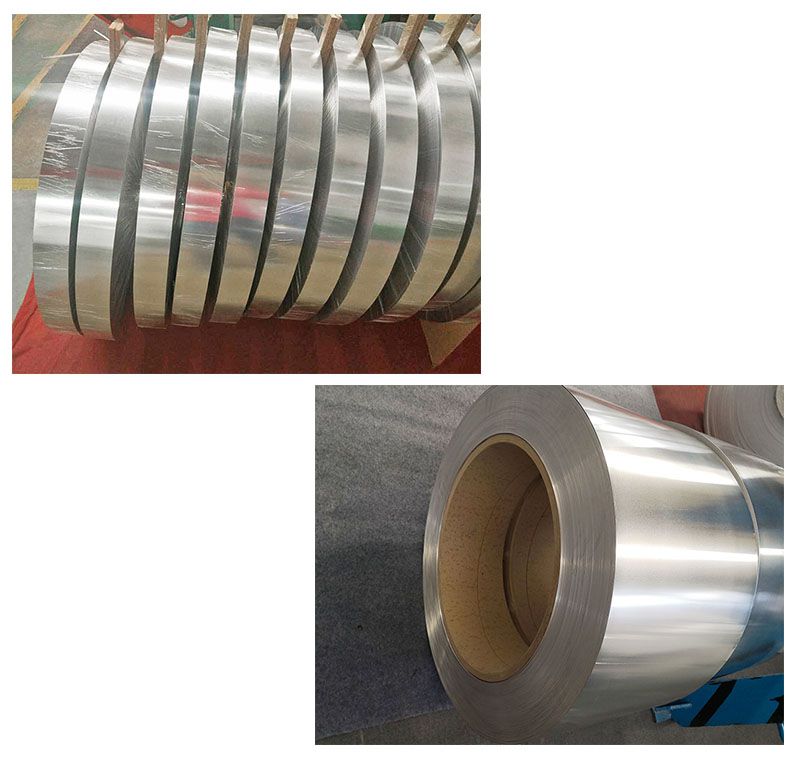
Chemical composition of 1060 alloy aluminum
Al | Fe | Si | Cu | Zn | V | Mn | Mg | Ti | Others |
≥99.60% | ≤0.35% | ≤0.25% | ≤0.05% | ≤0.05% | ≤0.05% | ≤0.03% | ≤0.03% | ≤0.03% | ≤0.03% |
Specification of 1060 aluminum strip
Alloy | 1060 |
Temper | O, HO |
Thickness(mm) | 1.0mm-3.0mm |
Width(mm) | 100mm-1600mm |
Conductivity | ≥63% |
Resistivity | ≤0.028 |
Surface quality | Smooth, scratch-free, and free of oil stains |
MOQ | 500 kg for a single specification |
Application
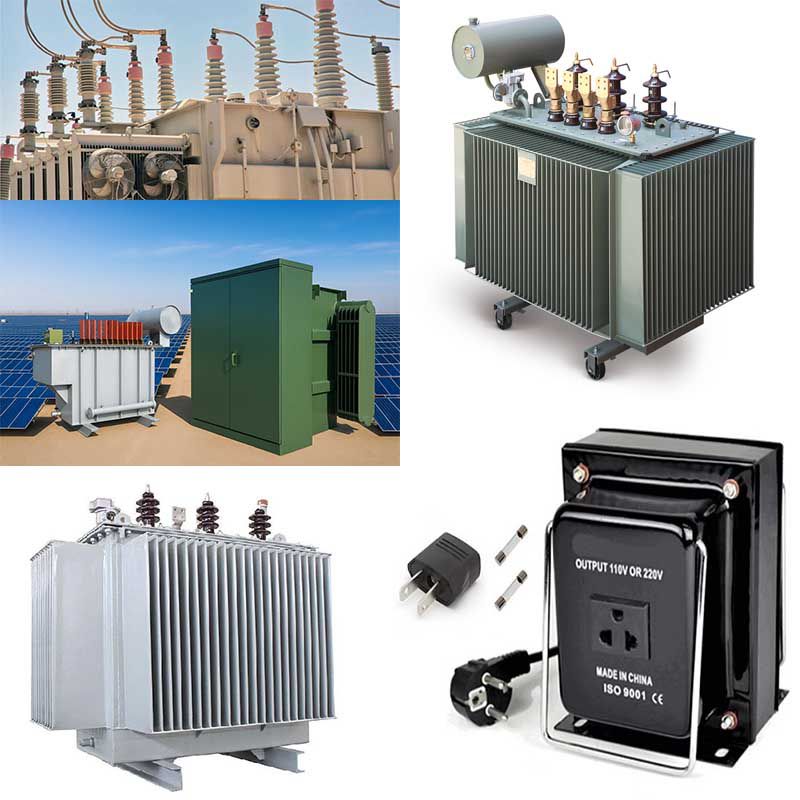
High and low voltage winding for 10kV~35kV distribution transformers, rectifier transformers, electric furnace transformers, and other equipment.
Auxiliary winding and lead winding for large power transformers and power system transformers.
Winding for photovoltaic transformers.
Auxiliary accessories for transformers, such as transformer leads, terminals, and shielding layers.
Conductive components for reactors.
Common winding materials for small transformers (such as transformers for household appliances).
1060 alloy properties
1. Electrical Properties
- Conductivity: O temper ≥61.5% IACS, excellent conductivity, low energy consumption, a cost-effective alternative to copper;
- Resistivity: 20℃ ≤0.02825Ω·mm²/m, extremely low and stable value, avoiding local overheating and ensuring stable operation;
- Dielectric Properties: Good insulation with no electromagnetic interference, combined with an insulating layer to prevent short circuits and ensure safe operation.
2. Mechanical Properties
- Tensile Strength: 75-105MPa (slightly varies with thickness), suitable for static stress, not easily broken during winding;
- Elongation: ≥25% (δ50 standard), excellent plasticity, easy to bend and wind, no cracks during processing;
- Hardness: HV25-35, soft texture, cold-worked to increase hardness;
- Fatigue Resistance: It can withstand slight vibration, not prone to fatigue fracture, ensuring transformer service life.
3. Physical Properties
- Density: Approximately 2.71 g/cm³, only 1/3 the density of steel, significantly reducing weight and lowering transportation and installation costs;
- Thermal Conductivity: Thermal conductivity approximately 237 W/(m·K), excellent heat dissipation, preventing localized overheating;
- Melting Point: Approximately 660℃, high temperature resistant, can withstand the normal operating temperature of transformers, without softening or deformation;
- Dimensional Accuracy: Thickness 0.08-3.0 mm, width 10-1650 mm, extremely small tolerances, smooth edges, neat winding;
- Surface Quality: Smooth and clean, without obvious defects, preventing partial discharge or insulation failure.
4. Processing Performance
- Stamping and Stretching Performance: Good plasticity, easy to stamp and stretch, suitable for diverse winding designs;
- Winding Performance: Soft and tough, not easily broken or wrinkled during winding, suitable for automated equipment, high efficiency;
- Welding Performance: Can be welded in various ways, joints are strong, easy winding splicing, suitable for pure aluminum welding specifications;
- Surface Treatment Performance: Easy to anodize and coat, which can improve corrosion resistance and prevent processing scratches.
5. Corrosion Resistance
- Atmospheric Corrosion Resistance: Resistant to atmospheric freshwater erosion, salt spray resistance ≥1000 hours;
- Medium Corrosion Resistance: Resistant to neutral and weakly acidic media, suitable for transformer internal media, not resistant to strong corrosive environments;
- Aging Resistance: Stable performance, not easily aged or oxidized, service life matches the transformer's 15-20 year design life.
6. Supplementary Notes
- Cannot be heat-treated for strengthening; only cold working can optimize hardness. It is of high cost-effectiveness, reducing costs by 15%-30% and weight by approximately 40% compared to copper.
- Performance is controlled by purity; impurity content must be strictly controlled to ensure compliance with national standards.
- Primarily supplied in the O temper; cold-working states can be customized. Mechanical properties may differ, but electrical properties are stable.
Our Packaging Process
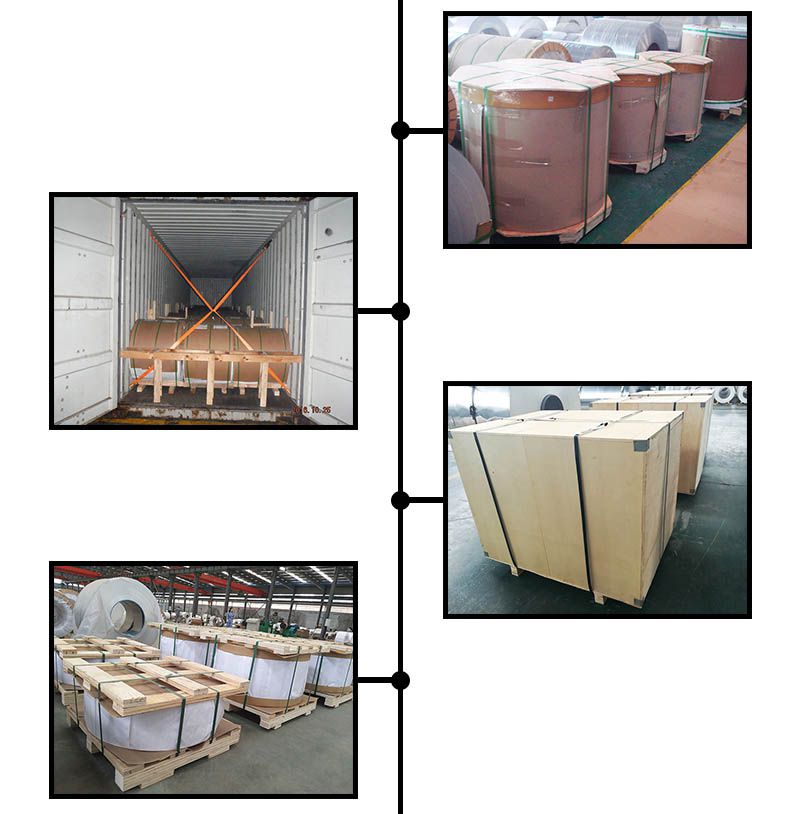
1. Aluminum strip roll inspection passed → Paper core installed
2. Interlayer paper clamping → Tightening
3. Inner wrapping: Rust-proof paper + desiccant + PE film sealing
4. Middle wrapping: Cardboard + corner protectors + stretch film
5. Fumigation-free wooden crate → Steel strap securing
6. Labeling and marking → Container loading (20ft/40ft container)
FAQ
1. What is 1060 aluminum transformer strip?
A: 1060 aluminum transformer strip is a high-purity aluminum strip containing about 99.6% aluminum. It is widely used in dry-type transformers, oil transformers, and winding applications because of its good electrical conductivity, corrosion resistance, and formability.
2. Why is 1060 aluminum used for transformer winding?
A: 1060 aluminum is used for transformer windings because it offers:
High electrical conductivity
Light weight compared with copper
Lower material cost
Good flexibility and bending performance
Excellent oxidation and corrosion resistance
These features make it a cost-effective material for transformer manufacturers.
3. What are the common tempers of 1060 aluminum strips?
A: The common tempers are:
O temper -soft, suitable for winding
H24 temper -half-hard, better strength
H18 temper -harder temper for special uses
For transformer winding, O temper is the most popular because it has good elongation and is easy to process.
4. What are the typical specifications of 1060 aluminum strip for transformer?
A: Typical specifications include:
Thickness: 0.08 mm to 3.00 mm
Width: 10 mm to 1650 mm
Aluminum content: 99.6% minimum
Surface: smooth, no scratches, oil stains, or oxidation marks
Actual size depends on the transformer design and customer requirements.
5. What are the advantages of 1060 aluminum strip over copper strip in transformers?
A: Compared with copper strip, 1060 aluminum strip has these advantages:
Much lower cost
Lighter weight
Easier transportation and handling
Good enough conductivity for many transformer applications
Stable performance in large-scale industrial production
However, aluminum usually needs a larger cross-sectional area than copper to achieve similar conductivity.
Original source: https://www.alcustrip.com/product/1060-alloy-aluminum-strip-for-transformer.html
Qoute Now
Contact Us
- Aluminum Strip for Argon Arc Welding
- Copper Metal Strip for Cable Armor
- Finished Product Rewinding Cable Aluminum Strip
- 1070 Aluminum Alloy Strip
- Color Coated Aluminium Strip Roll for Cable Armor
- Aluminum Strip Coil for Cable Shielding
- Wholesale 1050 Aluminum Strip Transformer Winding
- Interlocking Armoured Cable Aluminum Alloy Strip
- 1060 Alloy Aluminum Strip for Transformer
- Copper Strip for Electrical Transformer
- 1350 Aluminum Strip for Transformer
- Aluminum Strip for Cable Armor