
Wholesale 1050 Aluminum Strip Transformer Winding
1050 aluminum transformer strip
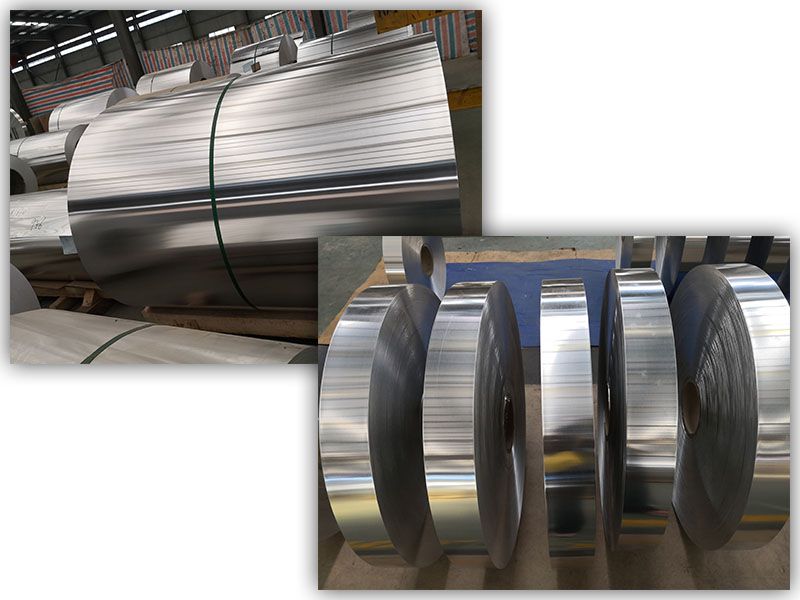
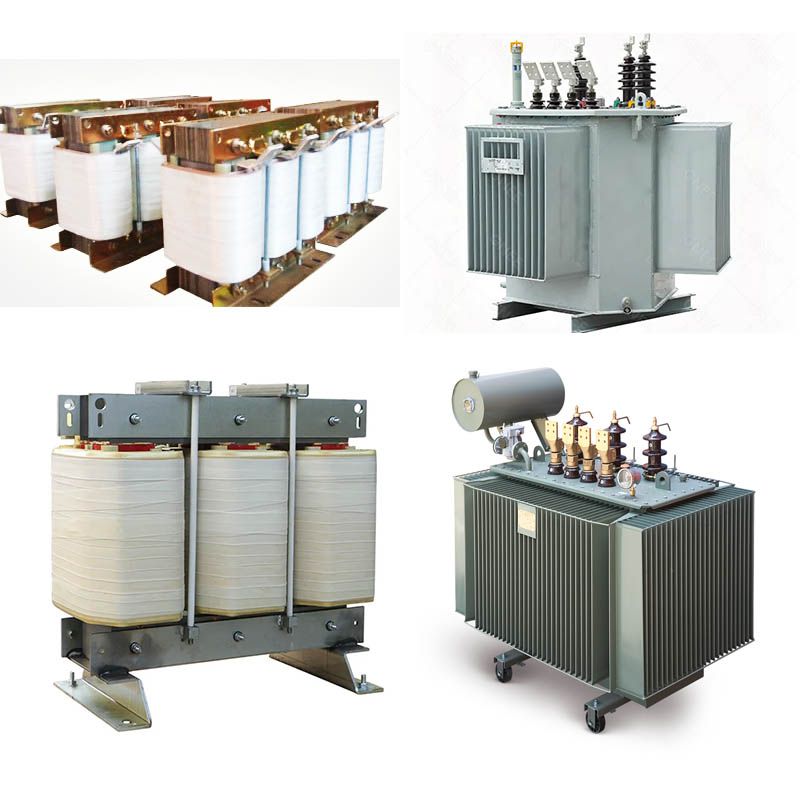
1050 aluminum strip (O temper) is the mainstream conductive material for high and low voltage windings of dry-type and oil-immersed transformers. With its high high electrical conductivity (about 61% IACS), excellent ductility, and clean, burr-free surface, it can efficiently wind precision coils and reduce energy consumption and temperature rise.
At the same time, it has the advantages of being lightweight, corrosion-resistant, and cost-effective, and is widely suitable for the transformer manufacturing needs of high-rise buildings, underground facilities, humid environments and other scenarios.
1050 alloy chemical composition(%)
Al | Si | Fe | Cu | Mn | Mg | Zn | Ti | V | Other (each) | Other (total) |
≥99.50 | ≤ 0.25 | ≤ 0.40 | ≤ 0.05 | ≤ 0.05 | ≤ 0.05 | ≤ 0.05 | ≤ 0.03 | ≤ 0.05 | ≤ 0.03 | ≤ 0.03 |
1050 aluminum strip specification
Alloy | 1050 |
Temper | O |
Thickness and tolerance | 0.08 mm to 3.5 mm, commonly with ±0.02mm – ±0.08mm tolerance |
Width and tolerance | 10 mm to 1600 mm, +0.3mm to +2.5mm |
Core ID | 76mm, 150mm, 300mm, 400mm, 500mm |
Edge finish | Slit/Round |
Surface quality | Mill finish, smooth, clean, free from oil stains, burrs, and scratches. |
Samples | 1050 aluminum strip sample is available. |
Our 1050 O aluminum strip properties
Electrical conductivity: >60% IACS (20℃)
Resistivity: ≤0.02825 Ω·mm²/m
Tensile strength: 60~95 MPa
Yield strength: 15~35 MPa
Elongation: ≥25%~35%
Hardness: 16~25 HB
Density: 2.71 g/cm³ (approximately 1/3 that of copper)
Thermal conductivity: 222~230 W/(m·K), rapid heat dissipation
Melting point: 660℃
Coefficient of thermal expansion: 23.5×10⁻⁶ /K
Applications
1. Dry-type transformer foil winding
2. Oil-immersed transformer winding
3. Reactor and instrument transformer winding
4. Transformer shielding, grounding, and structural components
5. Special and small aluminum transformers
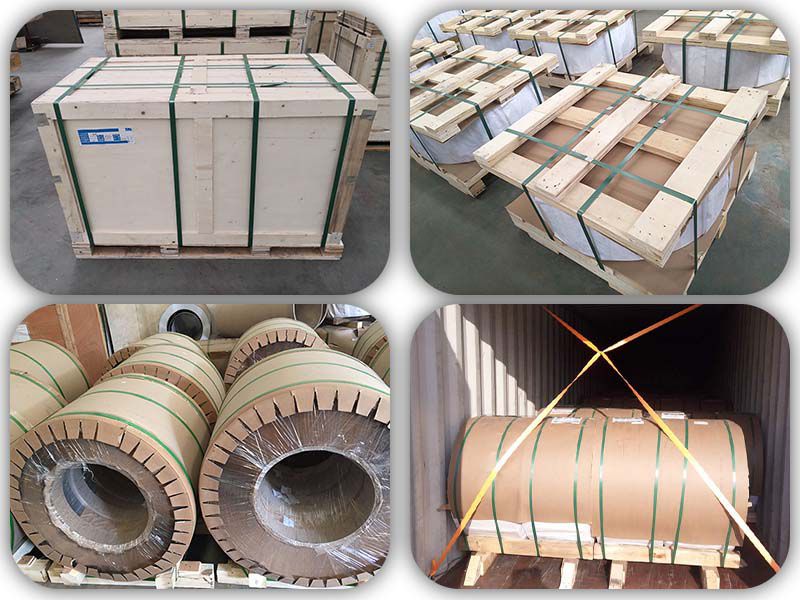
Packaging&Delivery
- Inner layer: 1-2 layers of neutral moisture-proof paper + PE stretch film seal, with silica gel desiccant (500-1000g/m³), paper sleeve, and plastic plugs.
- Middle layer: Cardboard covering, secured with galvanized steel straps (2-4 straps circumferentially, 1-2 straps axially).
- Outer layer: Fumigation-free/fumigated wooden pallets (1100×1100mm or 1200×1000mm), large rolls with grid-like/cage-type wooden frames; IPPC fumigation markings and certificates are for exports to Europe and America.
1050 vs 1060 aluminum strip
Conductivity: 1060 alloy has a slightly higher conductivity (≥60% IACS) than 1050 aluminum (≥59% IACS), resulting in lower power loss.
Mechanical Strength: 1050 aluminum has higher tensile strength (75-120MPa) and better dimensional stability at high temperatures; 1060 has better ductility (elongation at rest ≥22%), making it easier to form.
Purity: 1060 alloy contains ≥99.6% aluminum, with fewer impurities; 1050 aluminum contains ≥99.5% aluminum, with slightly higher impurities.
Applications: 1050 alloy is suitable for H-class dry-type and mining explosion-proof transformers, which are designed for high temperatures and high stress; 1060 aluminum is suitable for oil-immersed and conventional dry-type transformers, offering wider applications.
Machining Compatibility: 1060 aluminium strip is easily processed into complex coils, suitable for automated winding systems; 1050 alloy has high hardness, making it suitable for high-strength coil processing.
Cost: 1050 has a slightly lower cost; 1060 offers better value for money and is the industry mainstream.
Corrosion Resistance and Lifespan: 1060 aluminum has excellent natural corrosion resistance and a long lifespan in normal scenarios; 1050's corrosion resistance can be improved through surface treatment, resulting in a better lifespan in high-temperature and high-stress scenarios.
Simply speaking, according to our sales data, 1060 aluminum strip is more popular while 1050 aluminum strip also has its market.
Original source: https://www.alcustrip.com/product/wholesale-1050-aluminum-strip-transformer-winding.html
Qoute Now
Contact Us
- Aluminum Strip for Argon Arc Welding
- Copper Metal Strip for Cable Armor
- Finished Product Rewinding Cable Aluminum Strip
- 1070 Aluminum Alloy Strip
- Color Coated Aluminium Strip Roll for Cable Armor
- Aluminum Strip Coil for Cable Shielding
- Wholesale 1050 Aluminum Strip Transformer Winding
- Interlocking Armoured Cable Aluminum Alloy Strip
- 1060 Alloy Aluminum Strip for Transformer
- Copper Strip for Electrical Transformer
- 1350 Aluminum Strip for Transformer
- Aluminum Strip for Cable Armor