
Aluminum Strip Coil for Cable Shielding
Aluminum tape for cable shielding
Cable shielding aluminum tape is a thin aluminum tape made of aluminum-magnesium alloy through cold rolling. It is usually supplied in rolls and can be processed on demand. It features low density, good conductivity, excellent ductility, and low cost. Its primary function is cable shielding to suppress electromagnetic interference and prevent signal leakage, while also providing auxiliary functions such as mechanical protection.
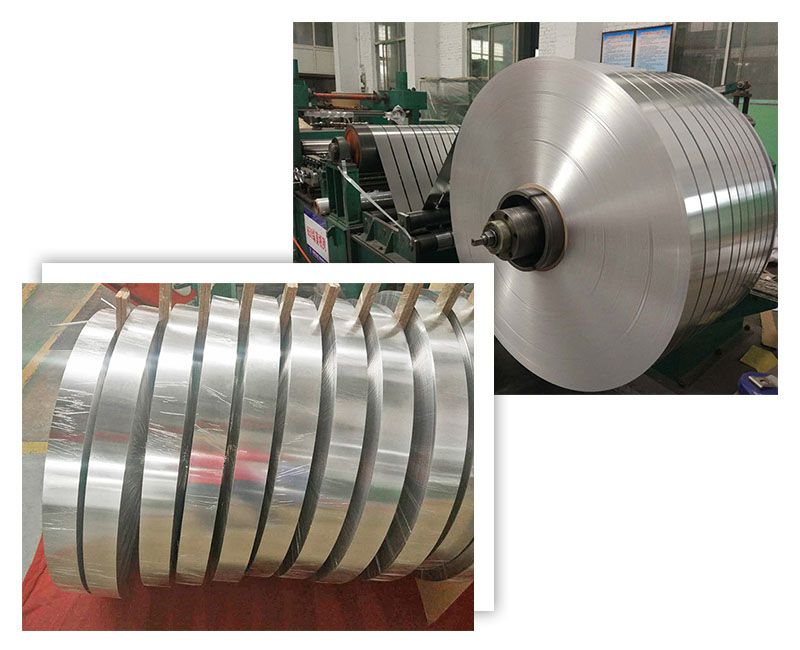
Specification of aluminum strip for cable shielding
Alloy | 5000 series |
Tempers | O, H32,H34 |
Thickness(mm) | 0.12,0.15, 0.18 |
Thickness tolerance | ±0.02 |
Width(mm) | 15-45 |
Width tolerance | ±0.1 |
ID(mm) | 200-250(55/76/150) |
OD(mm) | 500-800 |
Tensile strength(MPa) | 115-290 |
Elongation(%) | ≧10 |
Features
Composition Compatibility: The core is made of aluminum-magnesium alloy (mainstream grades include 5052 and 5154), with controllable impurities, meeting national standards and suitable for cable shielding and armoring requirements.
Excellent Mechanical Properties: Moderate strength and toughness, good elongation, and resistance to cracking during wrapping and bending, suitable for high-speed cable production processes.
Shielding Compliance: Conductivity ≥58% IACS, effectively isolating electromagnetic interference and preventing signal leakage, suitable for sensitive electrical environments.
Strong Corrosion Resistance: A dense oxide film forms on the surface, resistant to moisture, acids, and alkalis, suitable for complex environments and with a long service life.
Lightweight and Economical: Density is only 1/3 that of steel tape, reducing cable weight and cost, while also being environmentally friendly, suitable for lightweight applications.
Convenient Processing: Flexible and customizable specifications, clean and burr-free surface, direct processing, suitable for high-speed production lines.
Controllable Quality: It is of mature technology, defect-free surface, and passes various tests, meets industry standards, and ensures stable use.
Uses
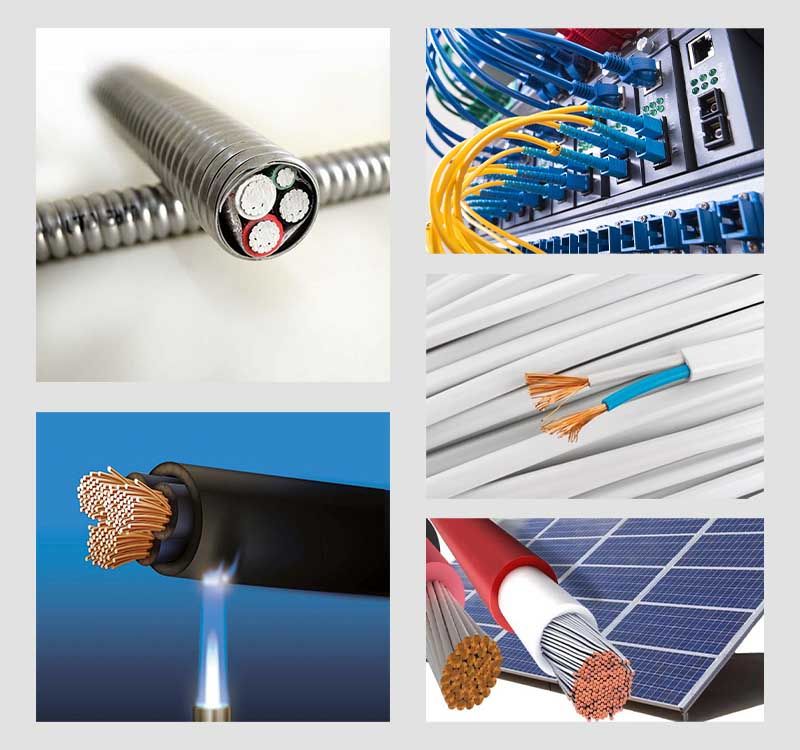
Medium and low voltage armored power cables
Aluminum alloy interlocking armored cables
New energy photovoltaic cables
Fire-resistant cables
Cables for corrosion-resistant environments
Cables for low-temperature environments
Communication cables
Industrial control cables
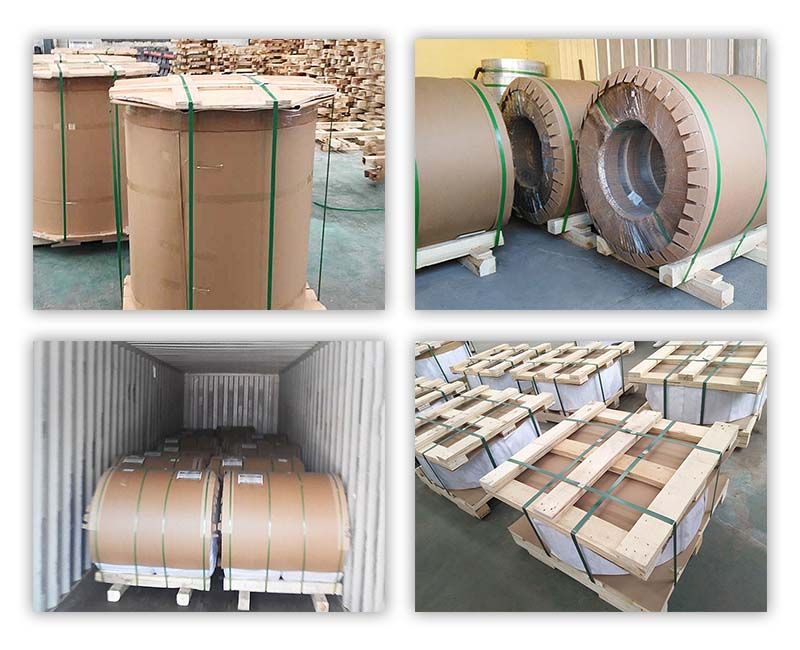
Packaging&Shipping
Aluminum strip packaging materials provide moisture protection, impact protection, pollution protection, and deformation protection. The outer packaging clearly indicates the product name, brand, condition, specifications, batch number, weight, and manufacturer information.
During transportation, clean, dry, and covered transportation vehicles should be used. The cable shielding aluminum strip should not be mixed with corrosive substances such as acids, alkalis, and salts. During loading and unloading, the aluminum strip should be handled with care and securely fixed to prevent it from becoming loose, rolling, deforming, or damaged on the surface and edges.
FAQ
1. What is cable shielding aluminum strip?
Cable shielding aluminum strip is a thin aluminum or aluminum alloy strip used as a shielding layer in cables to protect signals from electromagnetic interference (EMI) and radio frequency interference (RFI).
2. What is aluminum strip used for in cables?
It is mainly used for shielding, moisture protection, grounding support, and improving the anti-interference performance of communication cables, coaxial cables, control cables, data cables, and power cables.
3. Is aluminum strip better than copper strip for cable shielding?
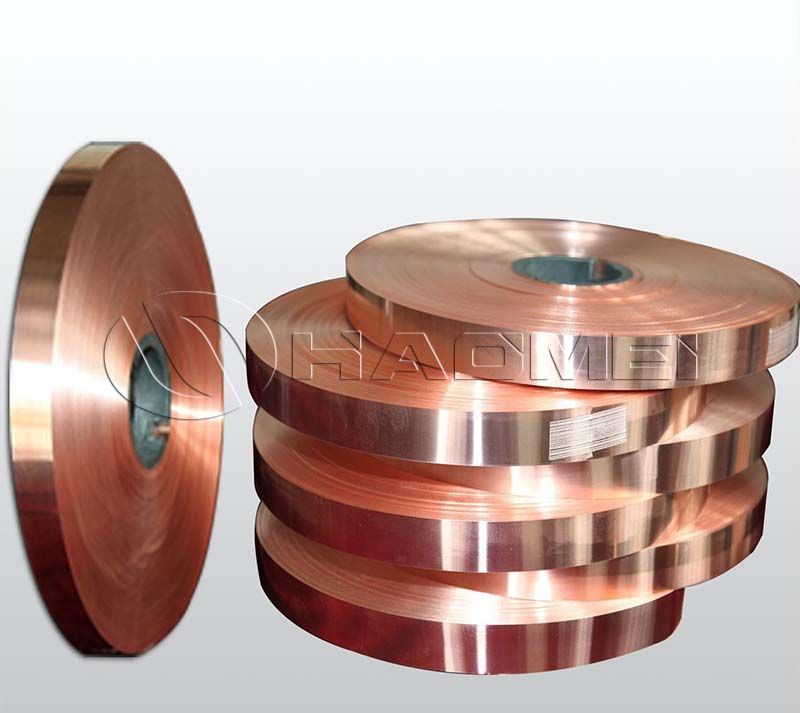
Aluminum is lighter and more economical, while copper has higher conductivity. The choice depends on shielding performance, cable weight, cost, flexibility, and application environment.
4. What are the advantages of cable shielding aluminum strip?
Its advantages include good shielding performance, light weight, high cost performance, corrosion resistance, easy slitting, good flexibility, and stable processing performance.
5. Can cable shielding aluminum strip be customized?
Yes. Thickness, width, alloy, temper, coil weight, inner diameter, surface treatment, and laminated structure can be customized according to cable application requirements.
6. What factors affect the price of cable shielding aluminum strip?
Price is affected by aluminum ingot price, alloy grade, thickness, width, temper, surface quality, slitting precision, coil weight, packaging, and order quantity.
Original source: https://www.alcustrip.com/product/aluminum-strip-coil-for-cable-shielding.html
Qoute Now
Contact Us
- Aluminum Strip for Argon Arc Welding
- Copper Metal Strip for Cable Armor
- Finished Product Rewinding Cable Aluminum Strip
- 1070 Aluminum Alloy Strip
- Color Coated Aluminium Strip Roll for Cable Armor
- Aluminum Strip Coil for Cable Shielding
- Wholesale 1050 Aluminum Strip Transformer Winding
- Interlocking Armoured Cable Aluminum Alloy Strip
- 1060 Alloy Aluminum Strip for Transformer
- Copper Strip for Electrical Transformer
- 1350 Aluminum Strip for Transformer
- Aluminum Strip for Cable Armor